
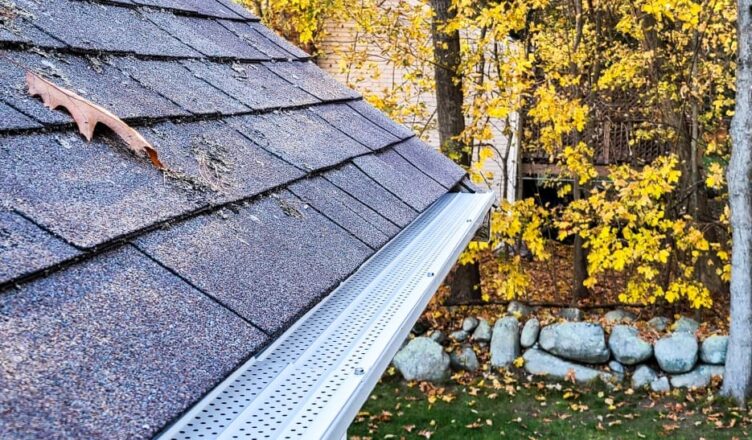
Keep Your Home Dry, Clean, and Protected Year-Round
Rain is inevitable. Water damage doesn’t have to be. A well-built gutter system channels runoff away from your roofline, siding, landscaping, and foundation—quietly doing its job in every season. But even the best gutters can struggle when leaves and debris pile up, causing clogs, overflow, and extra wear.
That’s where top-rated rain gutter and leaf protection systems come in. When gutters are sized correctly, installed with precision, and paired with the right protection, you get smoother drainage, fewer maintenance headaches, and a cleaner exterior. The goal is simple: move water efficiently and keep debris out—without sacrificing curb appeal.
Meta Description
Discover top-rated rain gutter and leaf protection systems designed to prevent clogs, reduce maintenance, and protect your home’s foundation, siding, and landscaping.
Why High-Quality Gutters Matter More Than You Think
Your roof sheds a surprising amount of water during a storm. If that runoff isn’t directed properly, it can create problems that show up slowly—and cost more over time.
What Gutters Help Prevent
- Foundation stress and moisture issuescaused by pooling water
- Fascia and soffit damagefrom repeated overflow
- Landscape erosionand washed-out flower beds
- Staining and mildewon siding or exterior walls
- Slip hazardsnear entryways from uncontrolled runoff
A dependable gutter system is one of the most practical upgrades you can make because it protects multiple parts of your home at once.
What “Top-Rated” Really Means in a Gutter System
A top-rated system isn’t about a flashy label. It’s about performance, durability, and a clean finish that complements your home.
Key Features of Better Gutter Systems
- Seamless construction optionsto reduce leak points
- Proper sizingto handle heavy rain without spilling over
- Heavy-duty hangers and secure fasteningfor long-term stability
- Well-planned downspout placementto direct water away effectively
- Finish qualitythat resists peeling, fading, and early wear
When these elements come together, you get a system that looks sharp and works reliably, even in demanding weather.
Leaf Protection: The Difference Between Constant Cleaning and Peace of Mind
Leaves, pine needles, roof grit, and small debris are the main reasons gutters stop working. Once a clog forms, water backs up and overflows—often right where you don’t want it. Leaf protection is designed to prevent buildup while still allowing water to flow freely.
How Leaf Protection Helps
- Reduces clogsthat cause overflow and water damage
- Cuts down on seasonal cleaningand ladder time
- Helps gutters drain efficientlyduring heavier rain
- Extends gutter lifespanby reducing standing water and debris weight
Common Types of Leaf Protection to Consider
- Screen systemsthat block larger debris
- Micro-mesh protectiondesigned to stop finer particles
- Surface-tension coversthat guide water in while shedding debris
The best option depends on your roof style, nearby trees, local weather, and how much maintenance you want to avoid.
Material Choices That Upgrade Performance and Curb Appeal
The right gutter material should match both function and style. For many homeowners, the decision comes down to durability, appearance, and how the system will age over time.
You’ll often hear homeowners ask about copper rain gutters when they want a premium look with long-term value. Copper brings a classic finish that naturally develops a patina as it ages, and it pairs beautifully with traditional and high-end exteriors. It’s also a strong option for homeowners who want a gutter system that makes a statement while still delivering reliable drainage.
Other popular materials include aluminum for its versatility and steel for added rigidity. The best choice is the one that fits your climate, budget, and exterior design goals.
Installation Quality Is the Make-or-Break Factor
Even the best gutters and leaf protection can underperform if the installation is rushed or imprecise. Pitch, fastening, sealing, and downspout routing all determine whether water flows smoothly or causes problems.
A professional approach to rain gutters installation focuses on more than attaching metal along the roofline. It includes accurate measurements, correct slope for drainage, secure hanger spacing, clean corner work, and downspouts positioned to move water away from the foundation. When those details are done right, your system lasts longer and performs better in real weather.
Installation Details That Matter
- Correct pitch to prevent standing water
- Proper gutter size for your roof’s runoff volume
- Strong, evenly spaced hangers for stability
- Downspouts routed to safe discharge areas
- A final check to confirm steady water flow
Choosing the Right System for Your Home
There isn’t a single “best” option for every property. The right setup depends on your roofline, tree coverage, rainfall patterns, and how much upkeep you want to avoid.
A Simple Way to Narrow Your Options
- If you have heavy tree coverage, consider micro-mesh or high-performance screening.
- If you want low maintenance, choose protection that handles fine debris as well as leaves.
- If curb appeal is a priority, match gutter profiles and finishes to trim and roofing details.
- If your home sees heavy rain, confirm sizing and downspout capacity from the start.
Practical Next Steps
If you’re ready to reduce clogs and protect your home, you don’t need to guess your way through it.
Action Plan
- Walk around your home after rain and note overflow or pooling water.
- Check gutters for sagging, stains, or frequent debris buildup.
- Identify areas where downspouts discharge too close to the foundation.
- Request an evaluation for gutter sizing, material options, and leaf protection fit.
- Choose a system that balances performance, appearance, and long-term upkeep.
Top-rated rain gutter and leaf protection systems aren’t just about convenience—they’re about protecting your home’s structure and keeping your exterior looking its best. With the right materials and a quality installation, you’ll feel the difference every time the weather rolls in.