
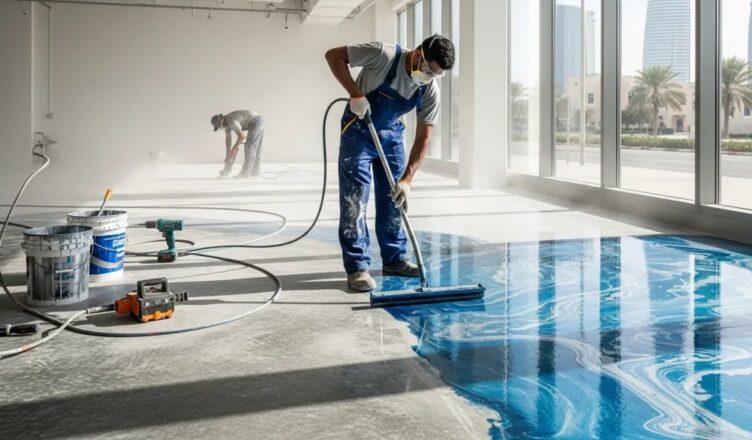
From warehouses and laboratories to food processing plants and laboratories, floors are exposed to constant pressure from equipment, chemicals, and foot traffic. Because of these challenges, selecting the right flooring solution is a difficult decision for facility managers and business owners.
One flooring solution that continues to be widely used in industrial environments is epoxy flooring. Known for durability, safety features, and seamless finish, epoxy flooring has become a preferred choice for many industrial facilities. Companies like Clifford Flooring, which specialize in high-performance resin flooring systems, frequently work with businesses across a wide range of industries to install flooring that meets operational and safety requirements.
This article explores why Epoxy Flooring in Sydney is widely thought of as one of the most reliable flooring solutions for industrial facilities.
Understanding Epoxy Flooring
Epoxy flooring is a type of resin-based flooring system created by combining epoxy resins with hardeners. When these materials react chemically, they form a strong surface that bonds securely to concrete substrates.
Once applied, epoxy flooring creates a smooth, seamless and highly durable surface capable of handling demanding industrial environments.
Key traits of epoxy flooring include:
- Strong adhesion to concrete
- Seamless and non-absorbent surface
- High resistance to chemicals and abrasion
- Long-term durability under severe loads
These qualities make epoxy flooring specifically suitable for facilities where reliability and performance are essential.
Exceptional Durability
One of the main reasons industrial facilities choose epoxy flooring is its outstanding durability.
Industrial floors face constant stress from:
- Heavy machinery
- Forklifts and pallet jacks
- Continuous foot traffic
- Dropped tools or equipment
- Heavy storage loads
Advantages of epoxy durability include:
- Reduced floor damage
- Lower maintenance requirements
- Longer service life
- Protection against surface wear
Flooring professionals such as Clifford Flooring frequently install epoxy flooring systems in environments where floors must remain functional despite high mechanical stress.
Chemical Resistance for Industrial Operations
Many industrial facilities handle chemicals, oils, and cleaning agents in their daily operations. Over time, these substances can damage standard flooring surfaces.
- Manufacturing plants
- automotive workshops
- Laboratories
- Food processing facilities
- pharmaceutical facilities
Key chemical-resistant benefits include:
- Protection against oils and lubricants
- Resistance to acids and solvents
- Reduced risk of staining
- Easier cleanup after spills
Because epoxy flooring forms a non-porous barrier, chemical compounds are less likely to penetrate the surface, and maintain both the integrity and cleanliness of the floor.
Improved Workplace Safety
Safety is a big concern in industrial facilities. Slips, trips, and falls are among the most common workplace accidents, often caused by wet or uneven flooring surfaces. Epoxy flooring can be designed with anti-slip properties, helping reduce the risk of injury.
Safety features commonly incorporated into epoxy flooring systems include:
- Slip-resistant finishes
- Clearly marked safety zones
- High-visibility colour coatings
- Reflective surfaces for improved lighting
These features can help facilities create safer working environments while meeting occupational safety standards.
Hygienic Surface
In industries where cleanliness is critical, flooring must be easy to clean and resistant to contamination. Creates a smooth surface without joints or gaps.
This makes epoxy flooring specifically suitable for:
- Food production facilities
- Pharmaceutical plants
- Healthcare environments
- Commercial kitchens
Hygienic advantages include:
- Easy cleaning and cleanliness
- Reduced bacterial growth
- Moisture resistance
- Compliance with hygiene standards
Low Maintenance
Industrial facilities benefit greatly from flooring systems that demand minimal maintenance. Frequent repairs or complex cleansing processes can disrupt operations and increase costs. Epoxy flooring is known for its low maintenance requirements, which is one of the reasons it remains standard in demanding environments.
Maintenance benefits of Commercial Kitchen Flooring include:
- Simple cleaning utilizing standard equipment
- Resistance to stains and spills
- Reduced need for frequent repairs
- Long-lasting surface performance
Organisational benefits
Although industrial flooring is primarily chosen for performance, appearance, and organisation can also play a major role. Epoxy flooring allows facilities to include colour-coded zones that improve workplace organisation and safety.
Common applications include:
- Marking pedestrian walkways
- Defining forklift routes
- Creating hazard zones
- Identifying storage areas
- Separating workstations
Cost Efficiency
Epoxy flooring may offer cost benefits because of its durability and low maintenance requirements.
Factors contributing to enduring cost efficiency include:
- Reduced repair expenses
- Longer flooring lifespan
- Minimal downtime for maintenance
- Protection of the underlying concrete
Instead of replacing or repairing broken concrete regularly, conveniences can rely on epoxy flooring to provide a resistant surface for years.
Professionals such as Clifford Flooring, who specialise in resin flooring systems, often work with industrial clients to guarantee that flooring solutions align with functional needs and long-term facility preparation.
Versatility Across Industrial Sectors
Another advantage of epoxy flooring is its flexibility. The system can be customised for different industries depending on operational needs.
Common subdivisions where epoxy flooring is used include:
1. Manufacturing Facilities
- Handles heavy machinery and equipment loads
- Provides chemical resistance for production environments
2. Warehouses and Logistics Centres
- Supports constant forklift traffic
- Improves visibility with reflective surfaces
3. Food Processing Plants
- Supports clean operations
- Creates hygienic environments
4. Automotive Workshops
- Resists lubricants
- Protects concrete from stains and damage
Because of this versatility, epoxy flooring continues to be widely selected across different industrial subdivisions.
Importance of Professional Installation
While epoxy flooring offers many benefits, the performance of the system depends heavily on proper installation.
Key steps in professional installation of Commercial Flooring in Sydney include:
- Surface preparation of the actual substrate
- Applying appropriate primer layers
- Installing the epoxy coating system
The Future of Commercial Floor
As industrial abilities continue to evolve, flooring technology is also advancing. New epoxy formulations and resin systems are being developed to correct performance, sustainability, and safety.
Emerging trends in industrial flooring include:
- Improved chemical-resistant coatings
- Faster curing flooring schemes
- Environmentally friendly resin formulations
- Advanced antagonistic-slip technologies
- Enhanced decorative and working coatings
These innovations expand the role of epoxy flooring in modern environments.
Conclusion
Industrial facilities require flooring solutions that are durable, safe, and fit for handling urgent conditions. Epoxy flooring has proven to be one of the most reliable options available for these environments.
As industries stretch to grow and evolve, epoxy flooring will likely remain an essential component of modern industrial foundations.